
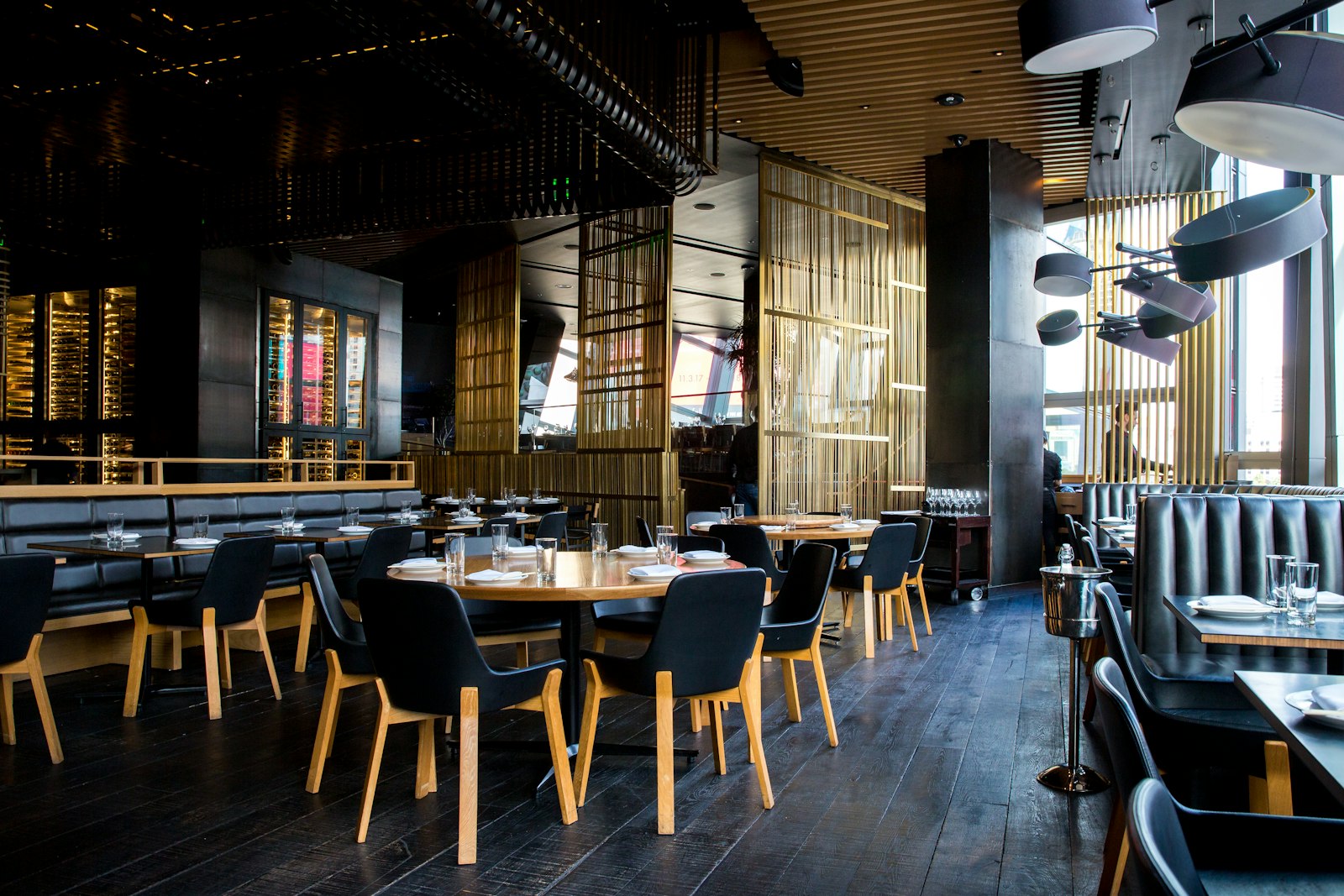
If you drive around Jacksonville right now, you'll notice something. Empty restaurants. Not the mom-and-pop places that come and go — I'm talking about national chains. Names you'd recognize. Buildings that were busy two years ago with dark windows and a "For Lease" sign taped to the door.
I'm a commercial real estate broker, so I notice these things the way a doctor notices a cough. And right now, the whole country is coughing.
The Numbers Are Ugly
Let me give you the short version of what's happening nationally:
Wendy's is closing up to 350 locations. Pizza Hut is shuttering 250 stores. Papa John's is closing about 200. Jack in the Box is cutting up to 100. FAT Brands — the company behind Fatburger, Johnny Rockets, Twin Peaks, and about 15 other chains — filed for Chapter 11 bankruptcy with $1.3 billion in debt. An Applebee's franchisee in Florida, Georgia, and Alabama filed for bankruptcy covering 53 locations. Red Lobster and TGI Fridays are still closing restaurants from their 2024 bankruptcies.
Add it all up and you're looking at well over 500 restaurant closures announced or completed in 2026 alone. Some of those are here in Florida.
Why This Is Happening
Here's where most people get it wrong. They think the restaurants are closing because people stopped eating out. That's not the full story. Cheesecake Factory just had its first billion-dollar quarter. Texas Roadhouse is growing. Consumers are still spending — they're just spending differently.
The real problem is the capital structure. Many of these chains were bought up by private equity firms who loaded them with debt when interest rates were low and sales were strong. They assumed the good times would last forever. Then rates went up, wages went up, and the cost of food went up. The debt didn't care. The rent didn't care. The numbers just stopped working.
The four things killing these chains are: too much debt from private equity deals, leases signed at pre-COVID rents that no longer make sense, over-dependence on third-party delivery apps that eat the profit margin, and wage inflation that outran their ability to raise prices. Any one of those is manageable. All four together is a death sentence.
What This Means for Jacksonville
Now here's where it gets interesting for those of us in commercial real estate.
When a national restaurant chain closes a location, that building doesn't just disappear. It sits there. The landlord still has a mortgage. The parking lot still needs maintenance. The property taxes still come due every year. And every month that space sits empty, the landlord is bleeding.
I see this all over Jacksonville. A Wendy's closes on a corner that used to get steady traffic. A Pizza Hut goes dark in a strip center that was already struggling. An Applebee's shuts down in a submarket where three other restaurants closed last year. The landlords call me.
Here's what I tell them: the restaurant closure isn't your problem. Your problem is what you do with the space next. And that's where most landlords make their first mistake.
The Wrong Response
The wrong move is to just list the space and wait for another restaurant tenant to come along at the same rent. That's not happening. The reason the last tenant left is that the rent was too high for the sales volume. The next restaurant tenant is going to do the same math and walk away too.
I've seen landlords sit on empty restaurant spaces for a year, two years, sometimes longer, holding out for a tenant who will pay the old rent. Meanwhile they're losing $4,000, $6,000, $8,000 a month in carrying costs. Over two years, that's six figures gone. And the building is deteriorating. The equipment is aging. The roof is one storm away from a problem.
The Right Response
The landlords who come out ahead are the ones who move fast. Here's what that looks like:
Reposition the space. Not every vacant restaurant needs to stay a restaurant. Some of these buildings make excellent conversion candidates — medical offices, urgent care clinics, fitness studios, daycare centers. The kitchen gets ripped out, the plumbing gets reconfigured, and suddenly you have a space that works for a completely different tenant at a rent that actually makes sense.
Renegotiate with the existing tenant before they leave. If you have a restaurant tenant who's struggling, the smartest thing you can do is have a conversation before the bankruptcy filing. A rent reduction that keeps them open is almost always cheaper than a vacancy.
Talk to a broker who knows the submarket. I'll be blunt — not every commercial broker understands restaurant real estate. The valuations are different. The tenant pool is different. The lease structures are different. If your broker mostly does office or warehouse, they're going to struggle to re-tenant a restaurant space quickly.
The Opportunity Side
Here's the part most people don't see. These closures create opportunity — not just problems.
For investors, distressed restaurant real estate is some of the best value-add plays on the market right now. You can buy a closed restaurant building in a decent location for a fraction of replacement cost. Reposition it, re-tenant it, and you've created instant equity. I'm working on several of these right now and the math works.
For new restaurant operators, this is actually a great time to negotiate. Landlords with empty restaurant spaces are motivated. You can get tenant improvement dollars, free rent periods, and lease terms that would have been unthinkable three years ago. If you have a strong concept and clean financials, you're in the driver's seat.
The Bottom Line
Restaurant closures are going to keep coming through the rest of 2026. The private equity debt problems haven't fully worked through the system yet. More franchisee bankruptcies are coming.
If you're a landlord with a vacant restaurant space, don't wait. If you're an investor looking for value-add deals, there's inventory coming. And if you're a restaurant operator looking for space, the market is finally bending in your direction.
The buildings aren't going anywhere. What matters is what you do with them.
Call me at 904-903-8755 or email melesia@clearpathcommercialbroker.com. I work with landlords, investors, and tenants across Jacksonville and Northeast Florida. Every conversation is confidential. And the first one might change how you think about that empty restaurant on the corner.
This article is for informational purposes only and does not constitute financial, legal, or investment advice. Commercial real estate decisions should be made in consultation with a licensed professional.
Frequently Asked Questions
How many restaurants are closing in 2026?
Over 500 restaurant closures have been announced or completed in 2026 alone, including Wendy's (up to 350 locations), Pizza Hut (250), Papa John's (200), Jack in the Box (100), plus bankruptcies from FAT Brands, Applebee's franchisees, Red Lobster, and TGI Fridays.
Why are so many restaurant chains closing locations?
Four main factors: excessive debt from private equity acquisitions, leases signed at pre-COVID rents that no longer make sense, over-dependence on third-party delivery apps that eat profit margins, and wage inflation that outpaced pricing power.
What should a landlord do when a restaurant tenant closes?
Move quickly. Don't wait for another restaurant tenant at the same rent. Reposition the space for a different use like medical, fitness, or daycare. Renegotiate with struggling tenants before they file bankruptcy. Work with a broker who specializes in restaurant real estate.
Is a vacant restaurant building a good investment opportunity?
Yes, if the location is solid. Closed restaurant buildings can often be purchased for a fraction of replacement cost. Repositioning and re-tenanting creates instant equity. Look for properties with strong traffic counts and growing demand in the surrounding area.
Can I get a better deal on restaurant lease space in Jacksonville in 2026?
Yes. Landlords with empty restaurant spaces are motivated and offering tenant improvement dollars, free rent periods, and favorable lease terms that would have been unthinkable three years ago. Operators with strong concepts and clean financials are in the driver's seat.

